Interfacing Lab Equipment at Ugandan Hospitals
National Health System | Uganda
Seamless integration of 500+ diagnostic machines across 70+ laboratories with automated data flow.
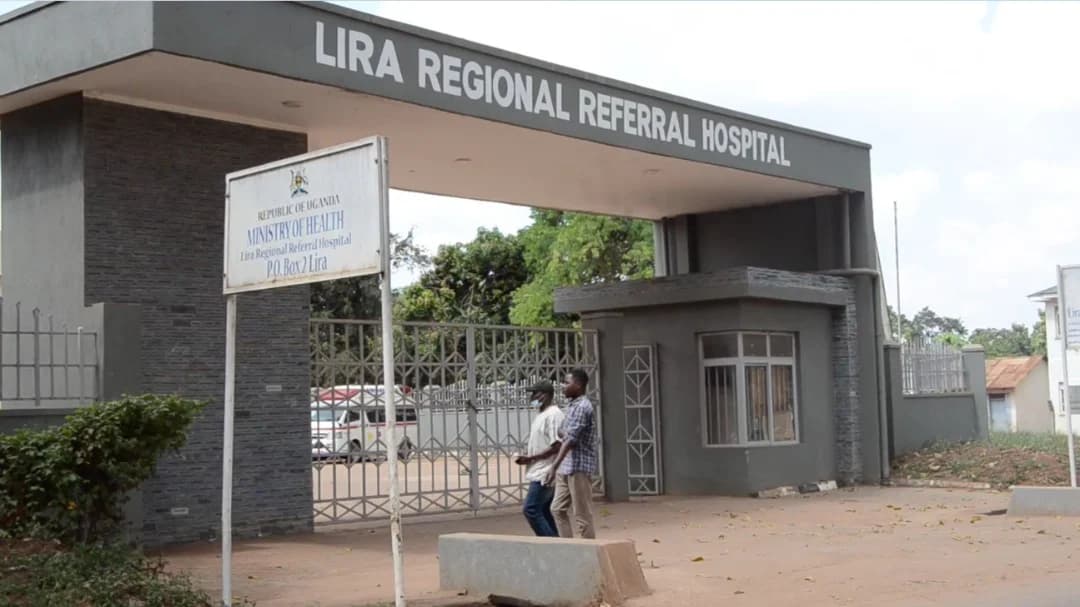
Across Uganda's Health Centre IV network, diagnostic machines stood isolated from the systems that needed their results. Lab staff keyed readings into the Automated Laboratory Information System (ALIS) by hand, one analyser at a time. The manual transfer was slow, prone to transcription errors, and left turnaround times long enough to delay patient care. With instruments spread across more than 70 facilities, there was no single, reliable view of what each lab was producing.
MedX connected more than 500 diagnostic machines across 70+ public laboratories to one shared FHIR data store using the Device Connectivity solution, powered by MedX Automation. Results now flow from each instrument into ALIS in real time, removing the manual step entirely. The integration cut manual data entry by 95% and improved turnaround time by 60%.
Context
Working in partnership with the Ministry of Health and the Global Fund, MedX set out to make ALIS a live picture of the national lab network rather than a database that depended on hand-typed entries. The work focused on Uganda's Health Centre IV network, where diagnostic equipment was already in place but disconnected from the information system meant to carry its results.
The goal was straightforward: every machine should report into one place, automatically, with the data quality and reliability that clinical decisions require.
The integration
MedX approached the rollout in three stages, building connectivity that labs could run and maintain on their own.
Assessment
- Audited existing laboratory equipment across the network
- Checked network connectivity at more than 70 facilities
- Mapped the integration requirements for each instrument type
- Analysed the training each site would need
Connection
- Deployed the Device Connectivity solution across all facilities
- Connected 500+ diagnostic machines to one shared FHIR data store
- Established real-time transmission of results into ALIS
- Ran quality assurance and validation testing on the captured data
Training and optimisation
- Trained lab staff on the automated workflows
- Tuned the system based on real usage patterns
- Gave operations teams fleet-level visibility through Device Intelligence, so every connected machine could be monitored from one view
- Stood up local technical support for ongoing maintenance
Results
The integration changed how lab data moves through the national health system.
- 95% reduction in manual data entry, with transcription errors eliminated
- 60% faster turnaround time from sample to reported result
- 500+ machines connected across 70+ laboratories, with results captured automatically
- Real-time syncing into ALIS, giving the Ministry of Health a current view of lab activity nationwide
Where it stands now
The programme did not stop at the sites in this case study. MedX device connectivity now reaches more than 150 facilities in Uganda, from national referral hospitals down to health centre IIIs, and the same connectors carry the country's national referral hospital laboratories. Across the platform as a whole that is more than 5,000 connected devices at over1,000 facilities in four countries.
“The ALIS equipment integration project has fundamentally transformed how our laboratories operate. We've seen dramatic improvements in efficiency and data quality that directly benefit patient care across Uganda's health system.”
Ministry of Health, Laboratory Services Director
Long-term impact
Connecting hundreds of instruments to one shared data store created a repeatable model for lab automation, one that can extend to other facilities and health systems in the region. The training programmes and local support built into the project keep the network running and improving as Uganda's health system continues to grow.
Want results like these at your organisation?
We deploy on-premises or in the cloud. Our team will walk you through a live instance scoped to your organisation.